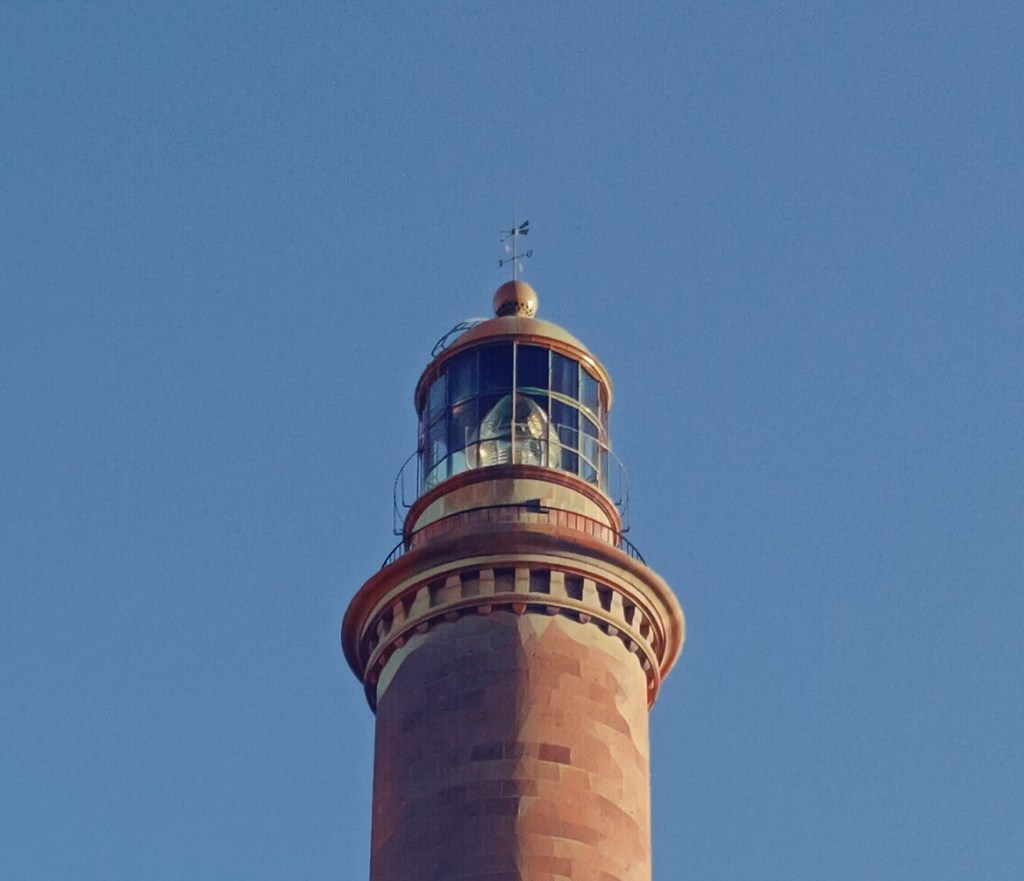
I know, it’s just a lighthouse. And not a particularly tall one. But it’s an icon of Gran Canaria nonetheless, so a post about it is inevitable. Luckily, there are quite a few things we can learn about the Faro, or at the Faro, that can enhance our immersion in the novel.
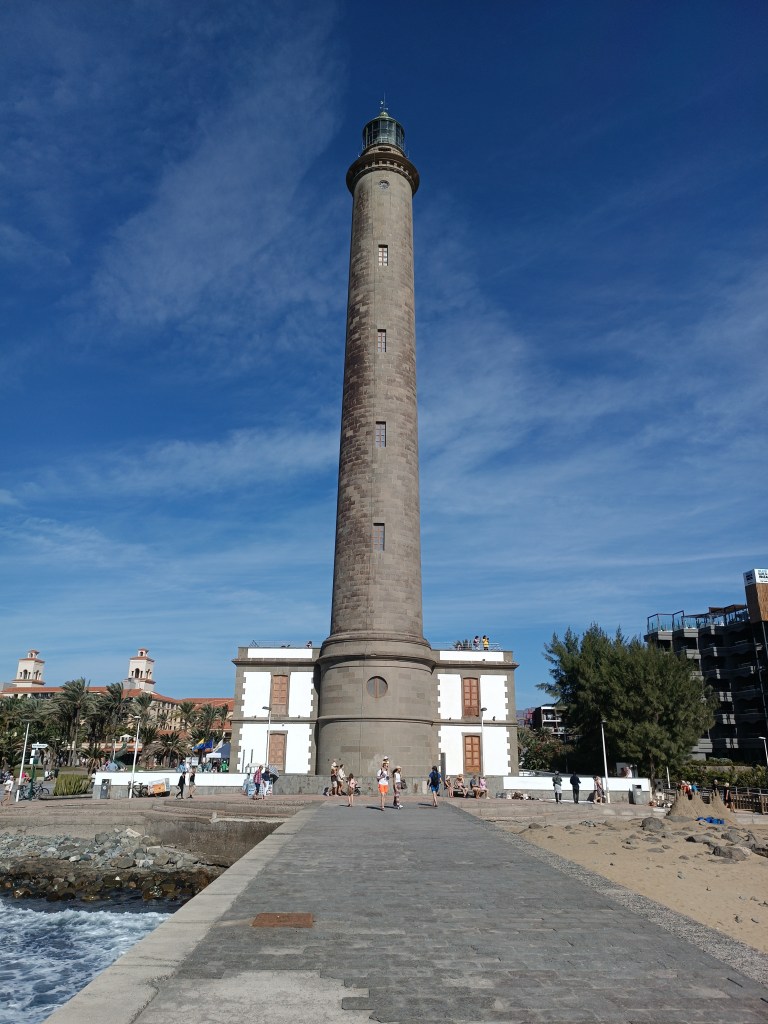

First, there’s the Faro’s history. The TL;DR version is that the lighthouse and its pier/jetty predate everything in the Maspalomas area. In fact, the jetty was needed to bring the lighthouse’s construction materials because, back in the XIX century, there wasn’t even a road connecting the city to the south of the island.
The tourism boom in the 1960s and 70s brought lots of construction and roads to Maspalomas and Playa del Inglés, but the Meloneras area beyond the Faro was not developed until the early 2000s. When that happened, the land in Meloneras became very valuable. Those empty parcels you saw further up the road, and between the remote golf courses, and along the San Bartolomé and Mogán coasts, are owned by the same hotel companies around you. They are just waiting for zoning laws to allow further development.
This ties nicely with something mentioned in a previous post. In Gran Canaria, as in many other places, there is a strong concentration of power, touristic power, economic power, in the hands of a few firms. Nowhere is this more evident than in the south, and specifically beyond the Faro.
A second point of interest is the Faro’s free-entry ethnographic museum, and not just because of its cool AC, clean toilet, and tourism information desk. It is a marvellously concise primer on Gran Canaria’s history, people, arts, and crafts. Many of the types Lund encounters in the Tejeda chapter could have been taken directly from the pictures on the museum’s walls.

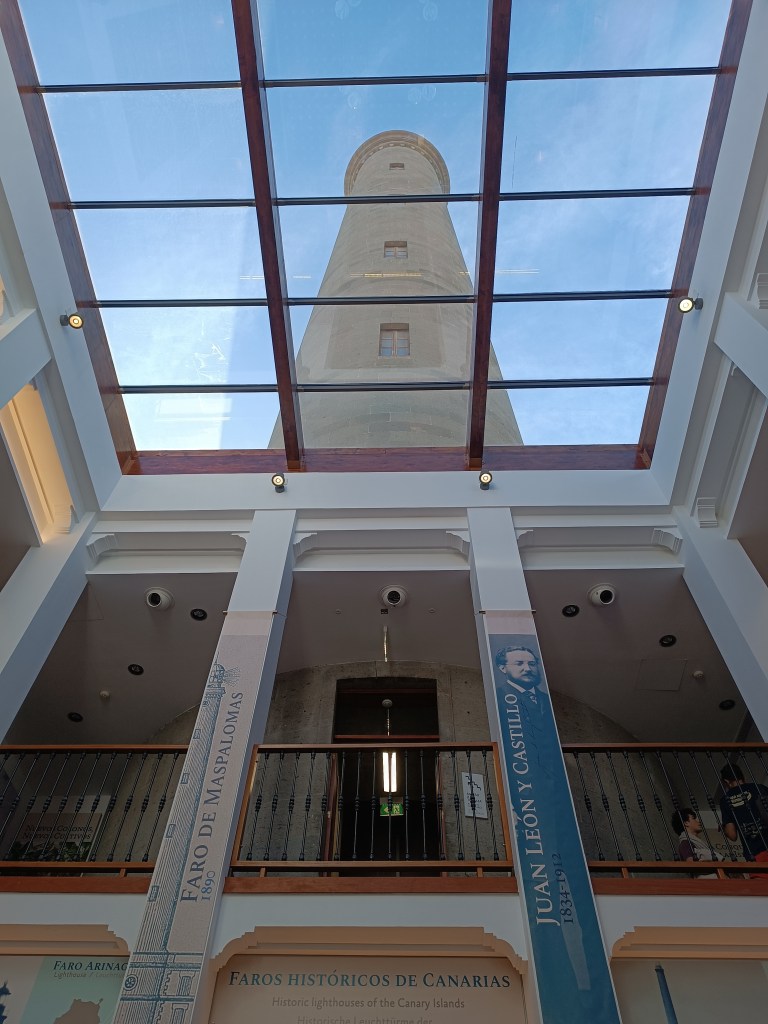
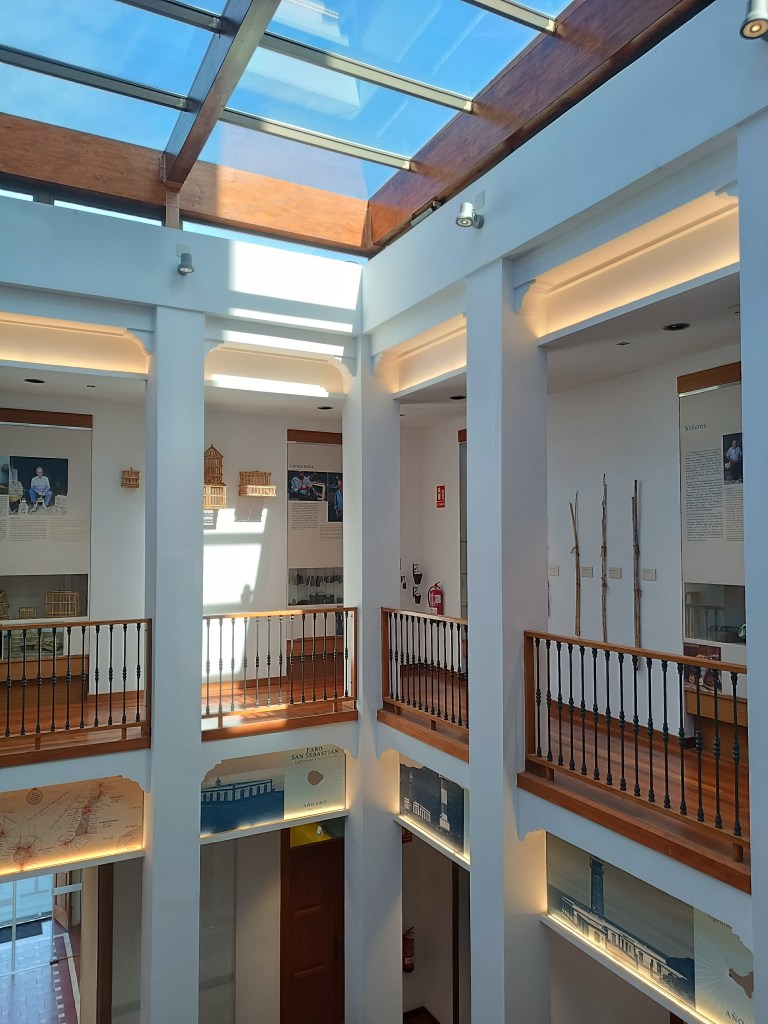
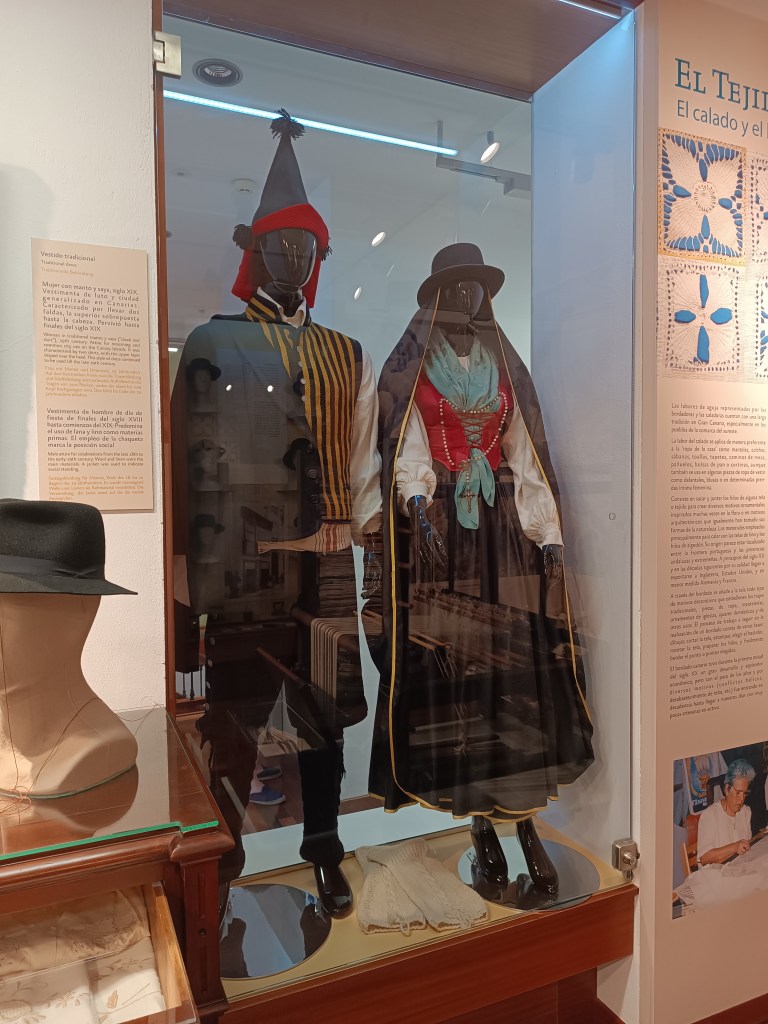
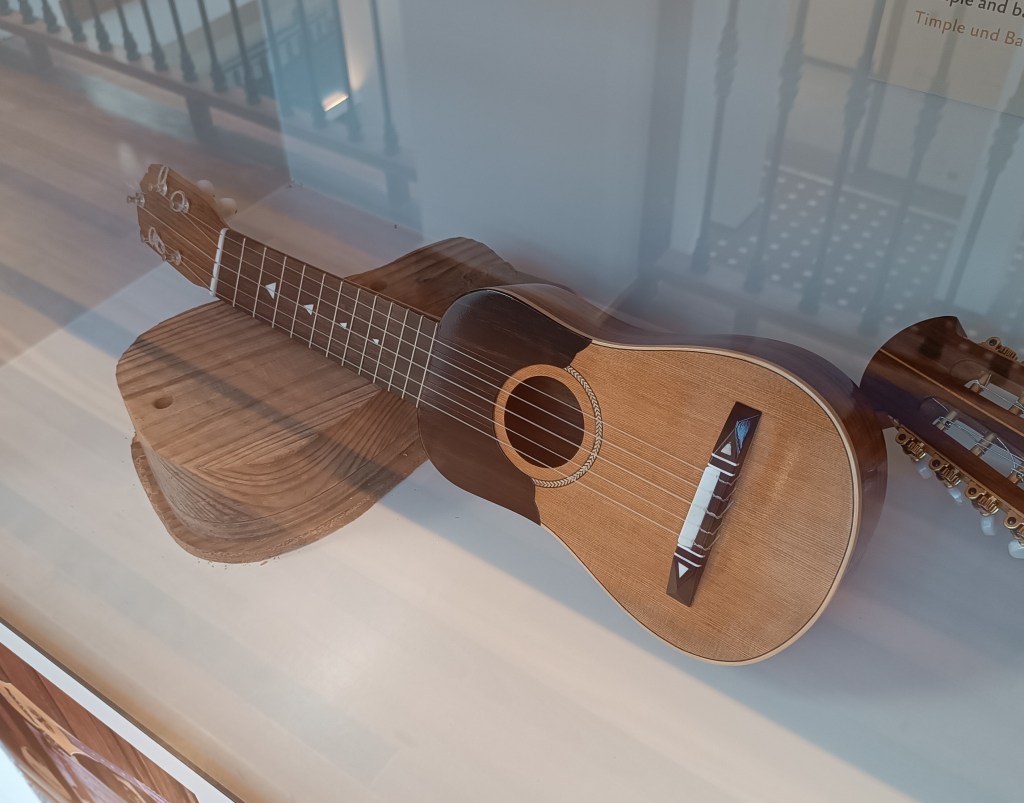

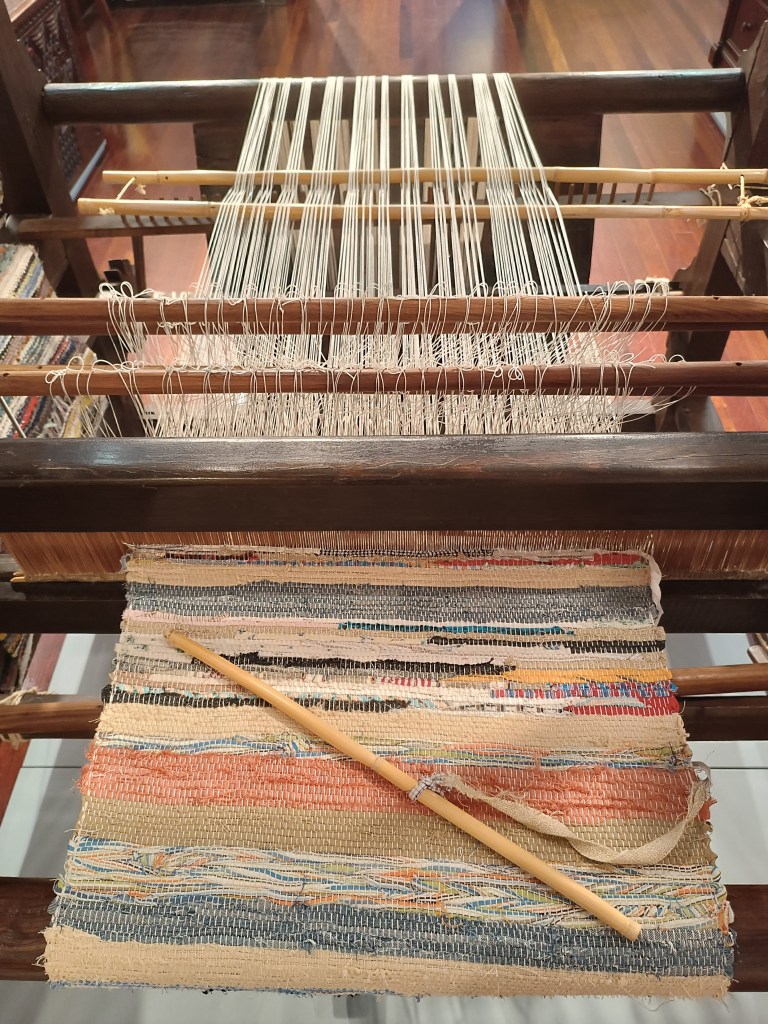
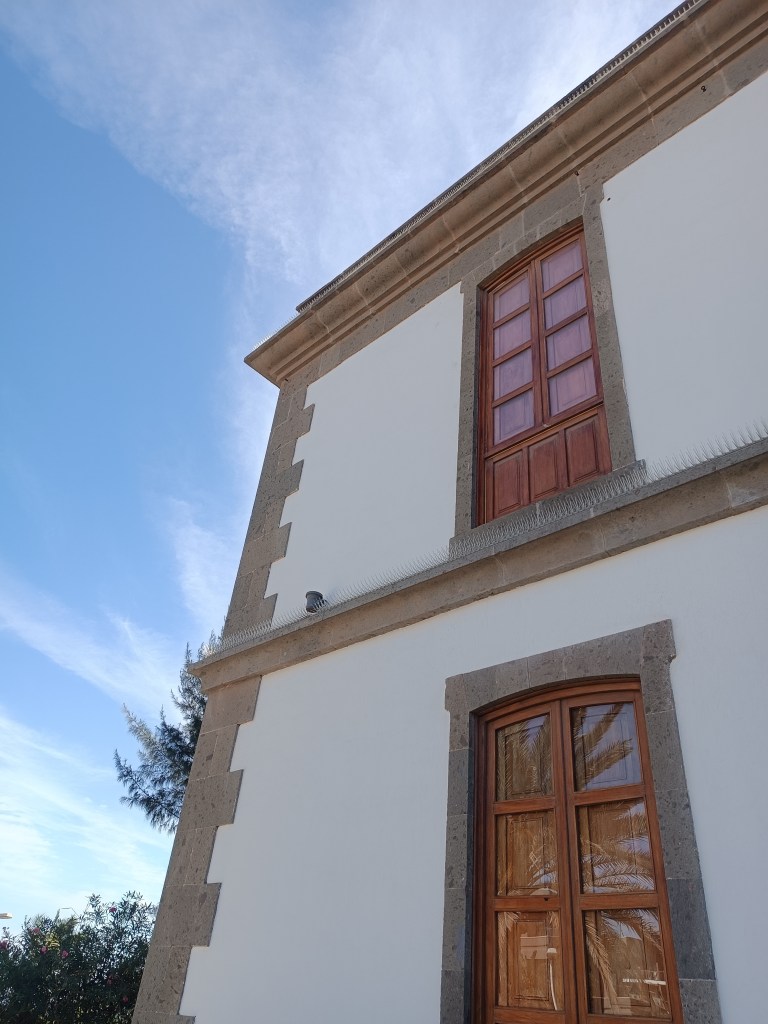
From the many exhibits on display, I would like to direct your attention to the timple on the first floor. This is our most representative musical instrument. Resembling a five-string ukulele, the sweetness of its sound perfectly complements the warmth and innocence of Canarian music. You can listen to the piece below while watching the sunset from the Faro.
I’ll continue in the next post.
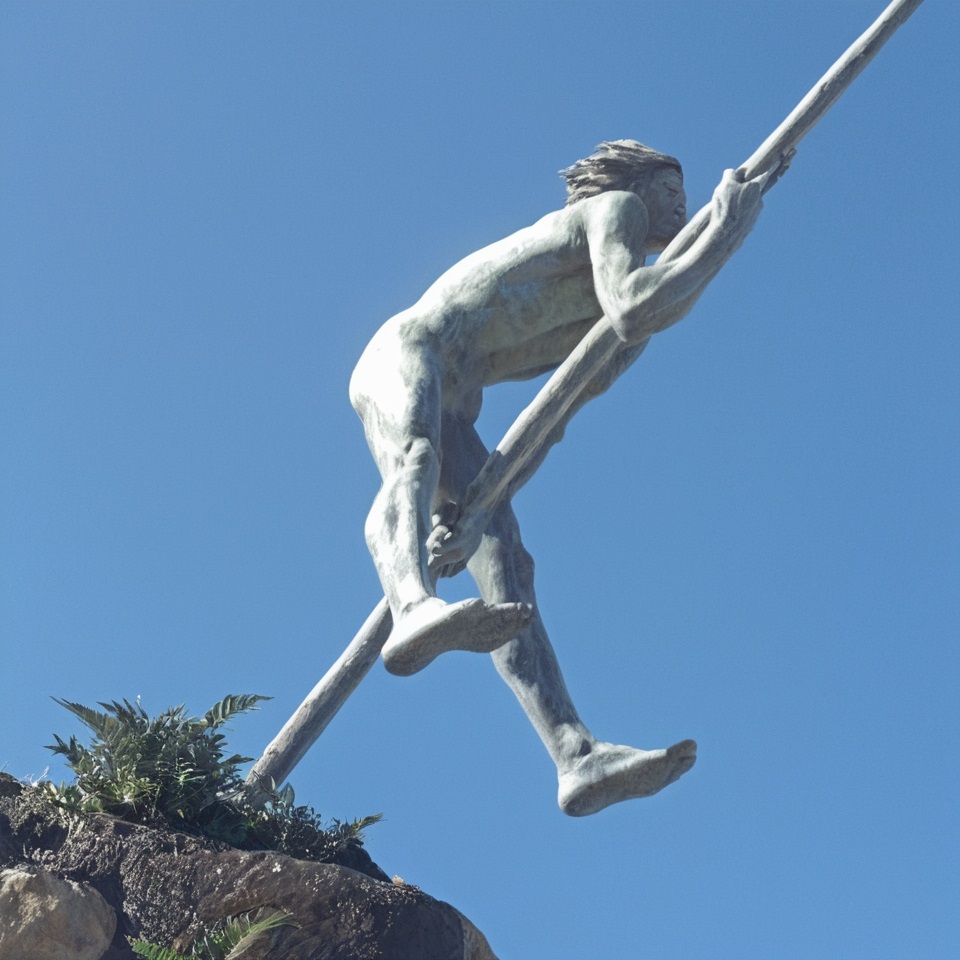
 The Fire Demon